
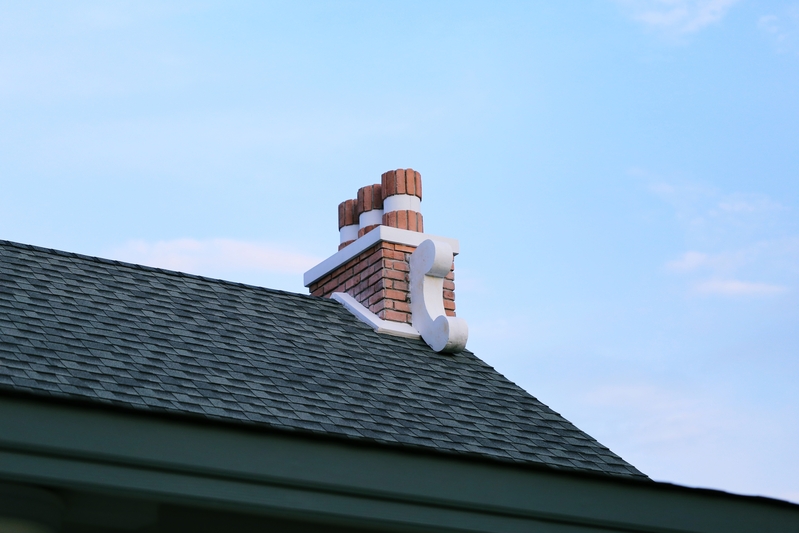
A fireplace can make a room feel warm and inviting, but what when the same chimney starts producing an unpleasant smell when the fire is not lit? It can be quite confusing, considering the fire is completely cold. In most cases, the smell comes from something inside the chimney rather than the fireplace itself. So, understanding the cause can help you decide when it is time to call a chimney sweep in Derby.
Why Can a Chimney Smell When It Is Not Being Used?
When a fire is burning, smoke and gases are carried upwards and out of the chimney. Once the fire goes out, however, the chimney becomes a much quieter space. Air can move in different directions, and smells trapped inside may make their way back into the room.
One common culprit/ issue is soot. Every fire leaves behind some residue, even when good-quality fuel is used and the fireplace appears clean. Over time, this material accumulates on the internal surfaces of the chimney. When damp air enters, the soot can develop a stronger, stale odour.
Could Dampness or Poor Ventilation Be the Problem?
Chimneys are exposed to changing weather conditions, so moisture is an important consideration. Rainwater can enter through defects around the chimney or its protective coverings, while condensation may form when warm and cold air meet inside the flue.
A damp chimney can produce an earthy or musty smell that becomes more noticeable during wet weather. You might notice it particularly after several days of rain or when the fireplace has remained unused for a while.
Ventilation also plays a part. A chimney needs suitable airflow to function properly. If a room is poorly ventilated, air containing unpleasant chimney odours may be drawn back down instead of moving naturally upwards.
What If Something Is Stuck Inside the Chimney?
Not every chimney smell comes from soot and moisture. Birds and other animals can sometimes enter an open or inadequately protected chimney and build nests inside it. Leaves and other debris can become trapped there as well.
An animal nest can create a particularly unpleasant smell, especially if it contains droppings or remains. More importantly, a blockage can interfere with the safe movement of smoke when the fireplace is eventually used.
A chimney sweep in Derby can help identify whether accumulated deposits, debris or an obstruction could be responsible for the smell.
When Should You Get Your Chimney Checked?
An occasional faint smell may not indicate a serious problem, but persistent or worsening odours deserve attention. This is particularly true if the smell is accompanied by visible soot, damp patches, smoke entering the room or evidence of nesting.
Regular chimney sweep in Derby helps remove accumulated soot and other deposits before they become excessive. It also provides an opportunity to identify blockages and other issues that may not be obvious from inside the room.